Off-Grid Solar Guides
Get more from every hour of sun
Clear guides to getting more out of your solar: panels positioned right, more charge from every hour of sun, a battery that makes it through the night. More in the bank, more days off-grid.
Walkthroughs of Solar Spotter itself — how to read what it's telling you, and how to get the most out of each feature.
The Main Screen, Explained Top to Bottom
Every number on the main screen — what it shows and where it comes from.

A reference for every number on the Solar Spotter main screen — what each one shows, where it comes from, and what it tells you about your own setup.
Getting the Most From the Best Charging Window
Which hours are worth being set up for, and where to put the panel for them.
The Best Charging Window tells you which hours are worth being set up for, and where to put the panel for that window — it's a Pro card. Here's how to read it and how to set your own.
Setting Your Panel to the Degree
Reads your panel's real tilt and direction by laying the phone on it.
Panel Mode reads your panel's real tilt and direction — ground slope included — by laying the phone on the panel. What it measures, how to read the circles, and how to set it by ear. It's a Pro feature.
See Exactly Where Your Panels Should Sit
Your panel, at its real size, in the camera view — placed for the window you pick.
Overlay Mode puts your panel, at its real size, into the camera view — positioned for the charging window you pick. How it works on iPhone, how it works on Android, and how to match it. It's a Pro feature.
Planning Around the Sun You're Going to Get
Each day's charging verdict and the window to be set up for, three days out.
Each day's charging verdict, the power to expect and the window to be set up for — three days out, and it keeps working when the signal doesn't. It's a Pro strip.
Every Stop on the Trip, Before You Leave
The conditions at every camp on the date you'll be there, each stop on its own clock.
Build a multi-stop trip and see the conditions at every camp on the date you'll be there — each stop on its own clock — plus the notebook that remembers the spot for next time. It's a Pro screen.
Knowing Your Solar Day Before You're Up
One message before sunrise: how good today's sun is, and when to be set up.
One message before sunrise: how good today's sun is where you are, how many charging hours are worth having, and when. How to switch it on and how to read it.
How Solar Spotter Learns Your Rig
Charge in, draw out, day by day — read straight from the battery.
Charge in, draw out, day by day, read straight from the battery — and where each day's charge actually came from. What it watches, why it stays quiet, and what it will never guess at. It's a Pro screen.
Alternate Charging: the DC-DC, the Genny and the Honest Row
Solar isn't the only thing filling your battery — how the app counts the rest.
Solar isn't the only thing filling your battery. How the app counts what the charger really adds, why it never names the source, and why none of it is projected forward. It's a Pro row.
Panels Out or Packed: Why the App Asks
The app never assumes your panels are out — you tell it, one tap.
The app never assumes your panels are out — you tell it, one tap under the panel row. What declaring changes, which answer lapses and which one doesn't, and why the reminder is never a notification. It's a Pro card.
Back Up Your Setup: Keeping Your Own Copy
One tap copies everything you've built into a bundle you keep.
There's no account and nothing of yours on a server — so one tap copies everything you've built into a bundle you keep. What's in it, how a restore goes, and the copy to take before you reload. It's a Pro section.
Working out what you need, before you spend anything.
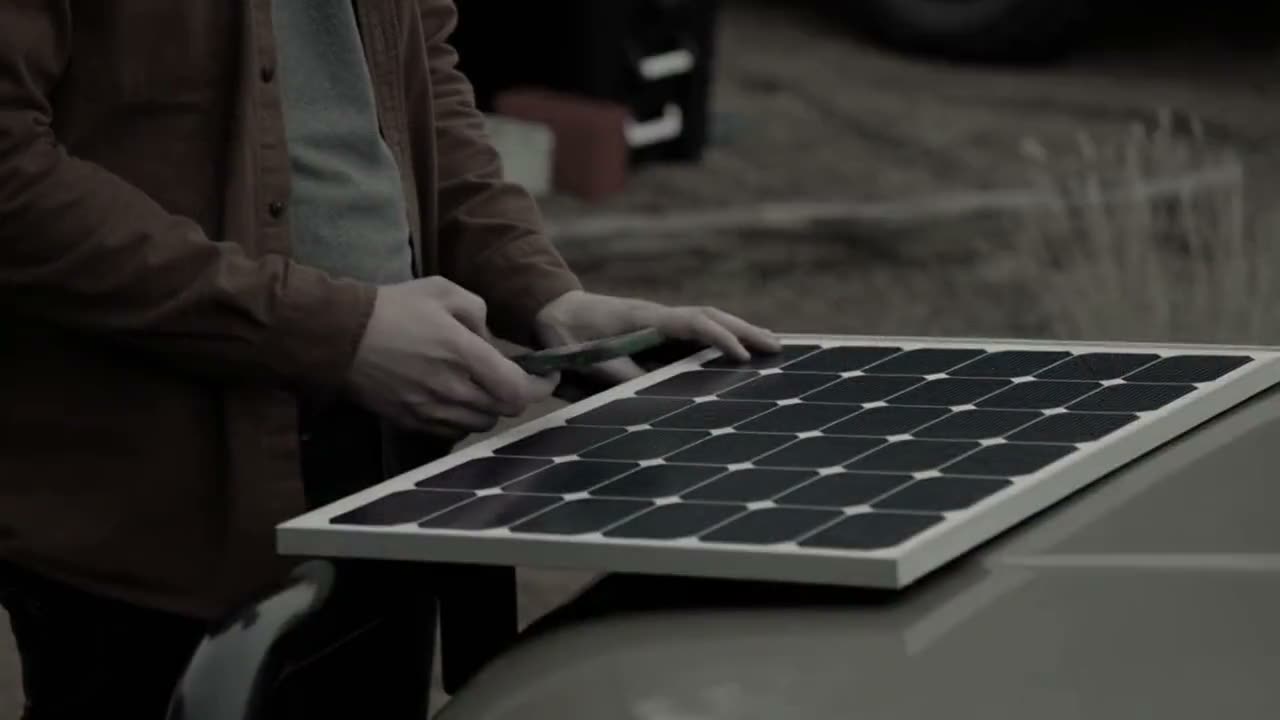
How Long Does Solar Take to Charge a Battery?
The arithmetic, worked through properly, for your own battery.
The arithmetic, worked through properly: what your panel really delivers, what a peak sun hour is, and how to get a straight answer for your own battery.
Do I Need a Solar Charge Controller?
Almost certainly yes — and which type you pick is worth about a fifth of your panel.
Short answer: almost certainly yes, and which type you pick is worth about a fifth of your panel. Here's what a controller does, and when you already have one.
You've already got the gear. These are the calls that decide how much charge you actually pull out of it.
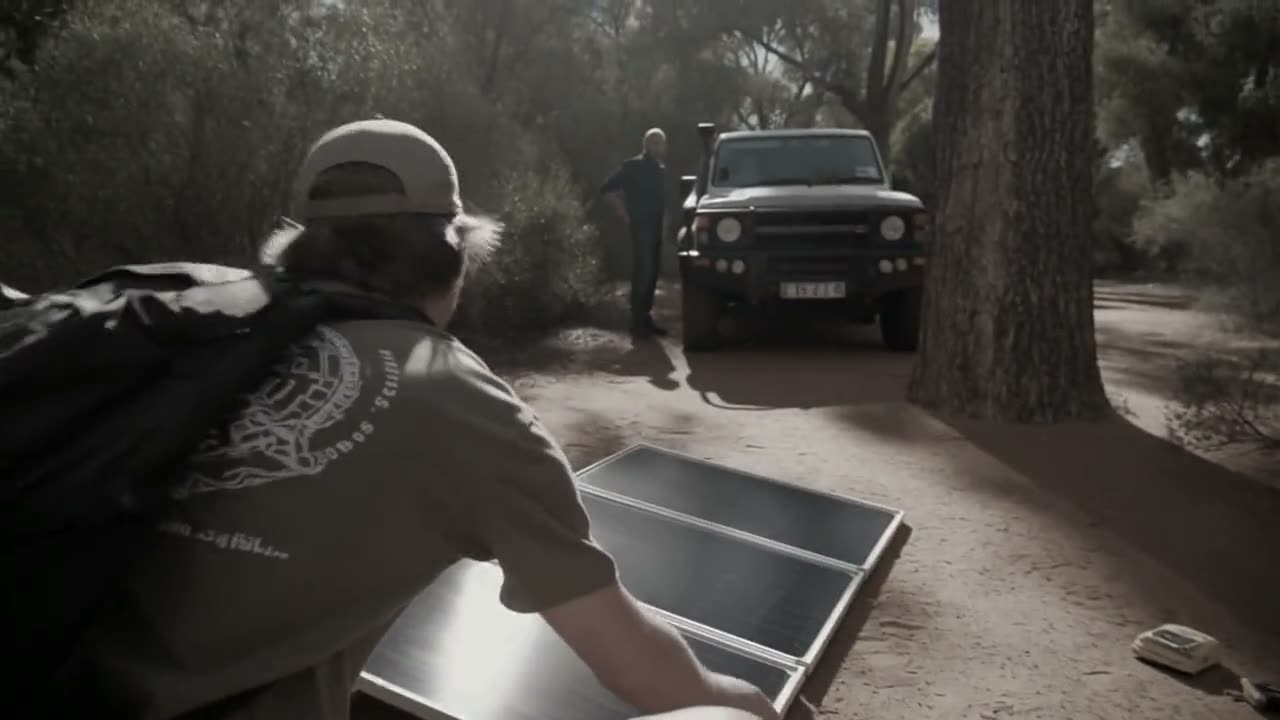
Getting the Most From a Solar Blanket
The most flexible setup you can own, and the easiest to under-use.
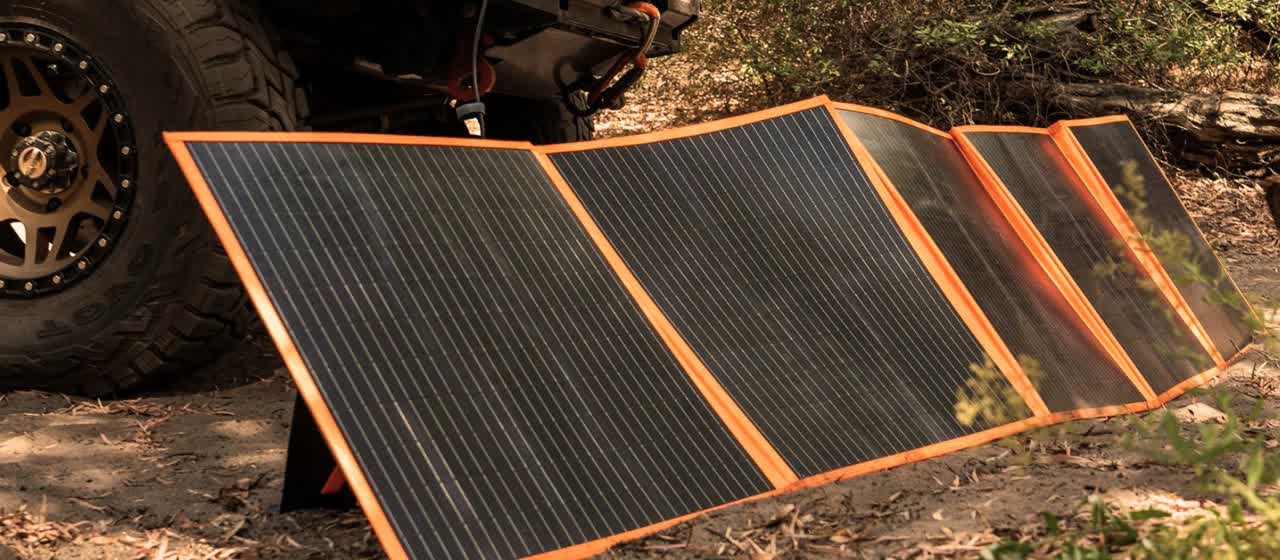
Blankets are the most flexible setup you can own — and the easiest to under-use. AR Overlay shows where to reposition it for more charge and AR Panel Mode dials the angle in to the degree — both Pro. Real watts out of the gear you've got.
Set Up to Run Your Gear Through the Night
Know before dark that the fridge and lights will make sunrise.
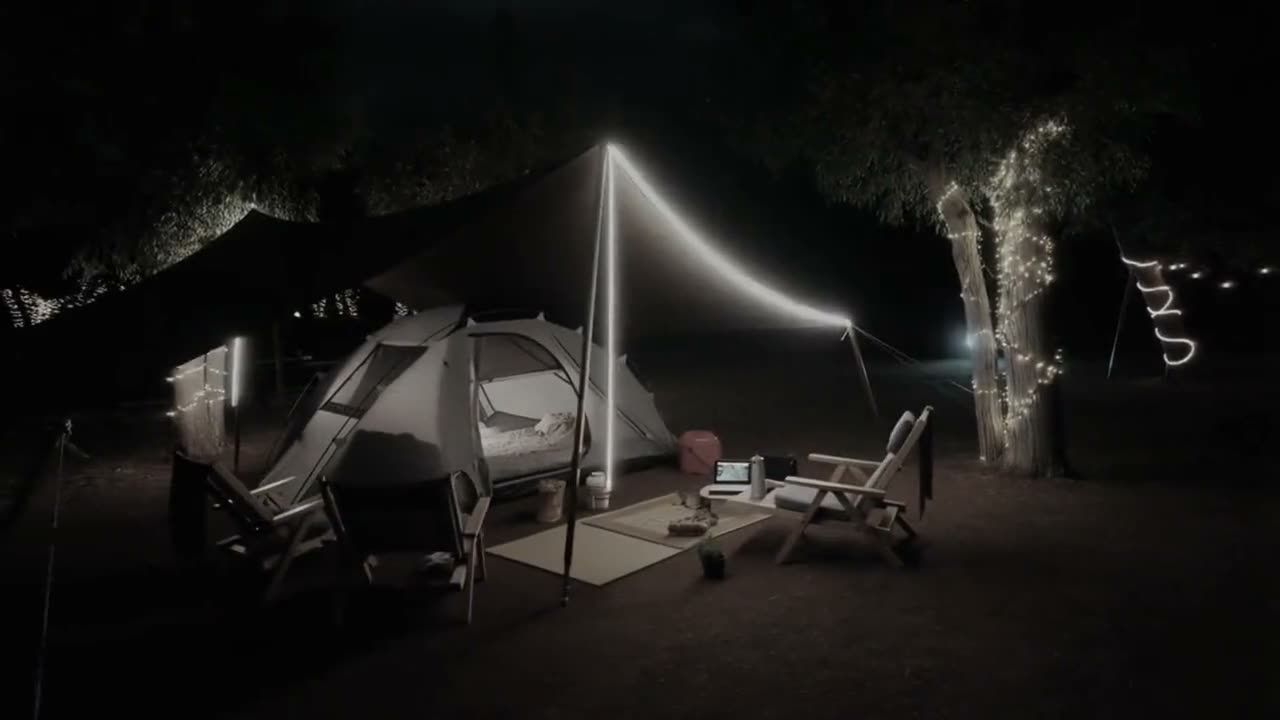
Set up so the fridge and lights cruise through to sunrise — and know before dark that you're sorted, instead of finding out at 2am.
Why a Little Shade Costs You a Lot
A shadow across one corner can take a third of the panel with it.
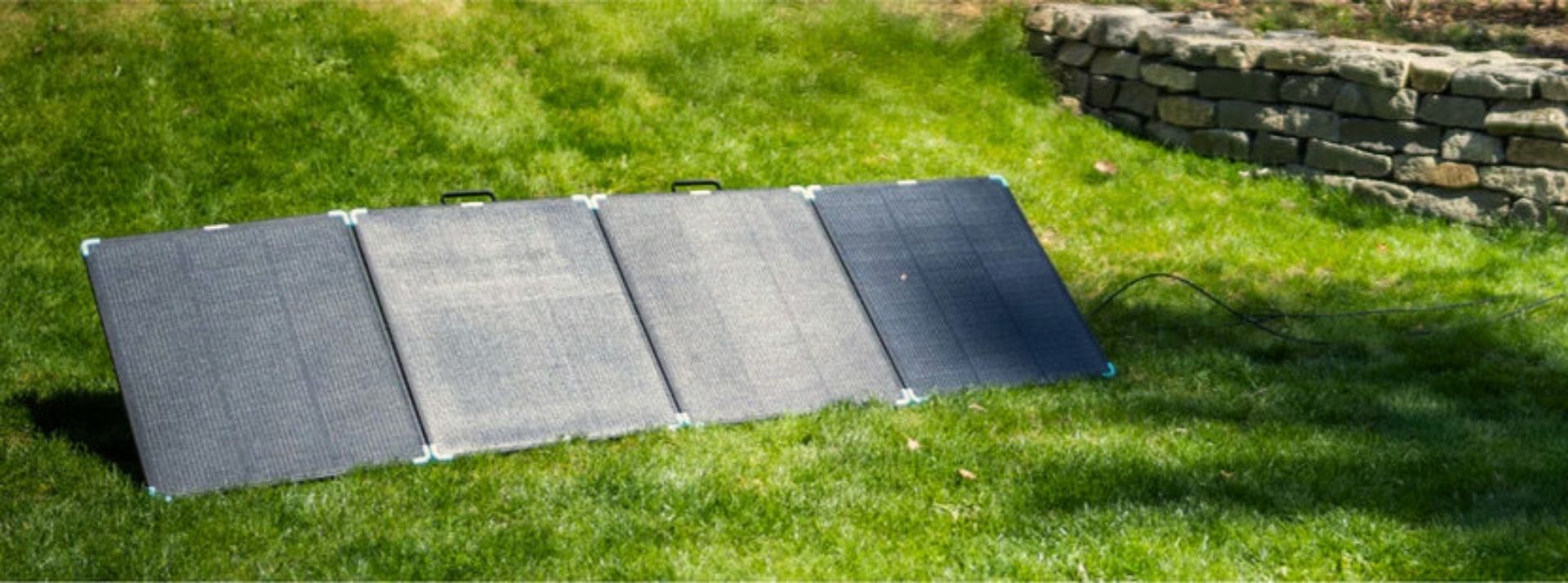
A shadow across one corner can take a third of the panel with it, and a thin one lying the wrong way can take nearly all of it. What's happening inside the panel, and the two rules that stop it.
Getting Charge Out of a Winter Sun
Cold suits a panel — it's the sun that changes.
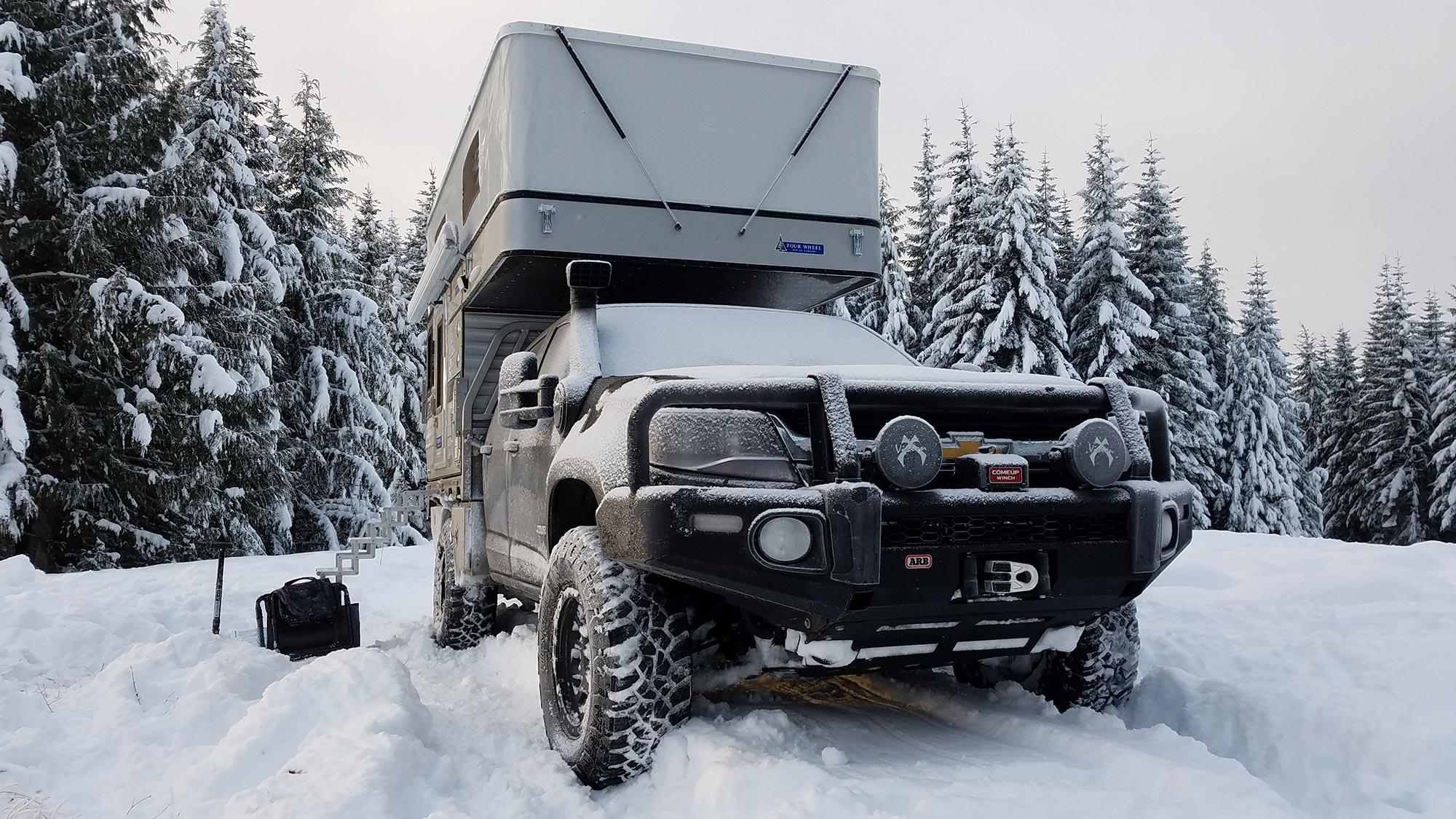
Cold suits a panel — it's the sun that changes, sitting lower for fewer hours. What to change when it drops, and why a flat panel suffers worst.
Why Your Solar Slows Down on a Cloudy Day
How much charge you still get when the clouds roll in.
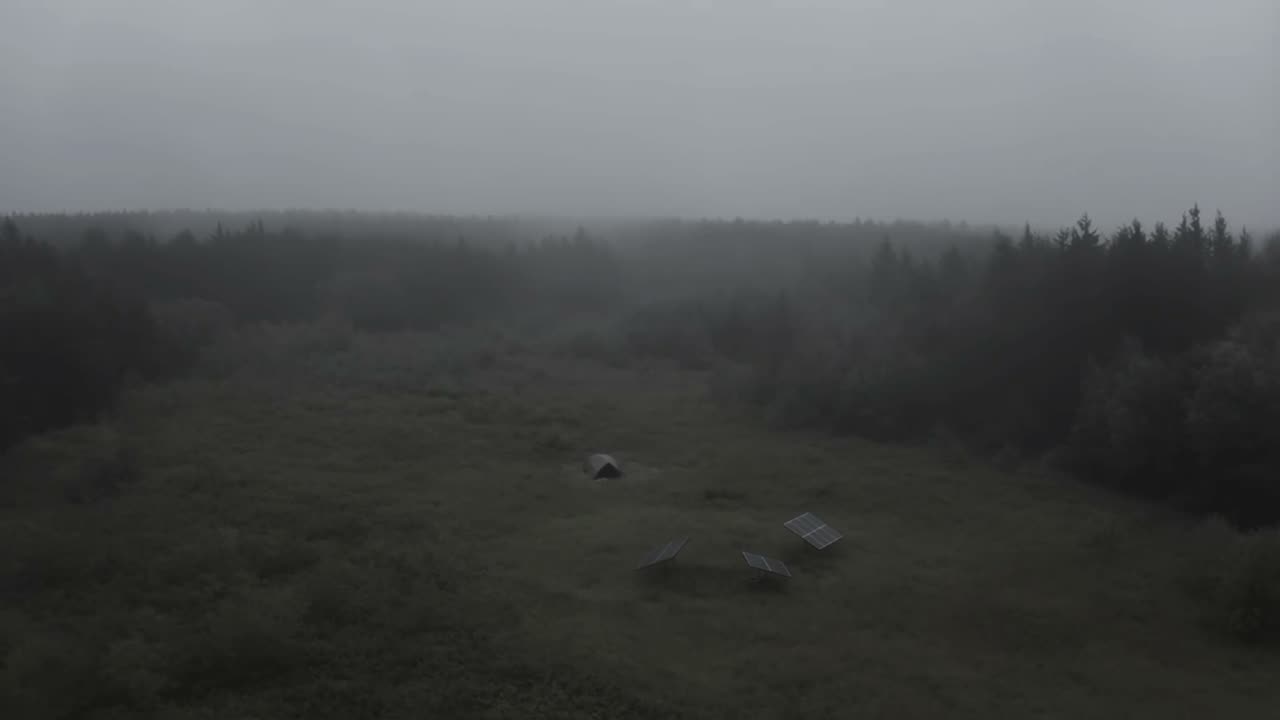
What's really happening when the clouds roll in, how much charge you still get, and how to make the most of a dull day.
Why Your 200W Panel Never Makes 200W
Where the missing watts go, and when a panel can beat its own rating.
Your panel's rating is a laboratory number measured at 25°C. Where the missing watts actually go, what a good day really looks like on a framed panel and on a blanket, and when a panel can beat its own rating.
Why Your DC-DC Charger Stops Before the Battery's Full
Usually it's doing its job — how to tell that from the four faults that cost you charge.
A DC-DC charger that backs off before 100% is usually doing its job, not failing — but what counts as normal depends on the chemistry in the box. How to tell an ordinary taper from the four faults that really cost you charge.
Guides get you set up. The app does the rest.
Solar Spotter tells you the angle and how good the rest of today's sun will be — for your exact spot and today's conditions. Free to download — Pro adds the best charging window and what your battery will actually do.